

Description
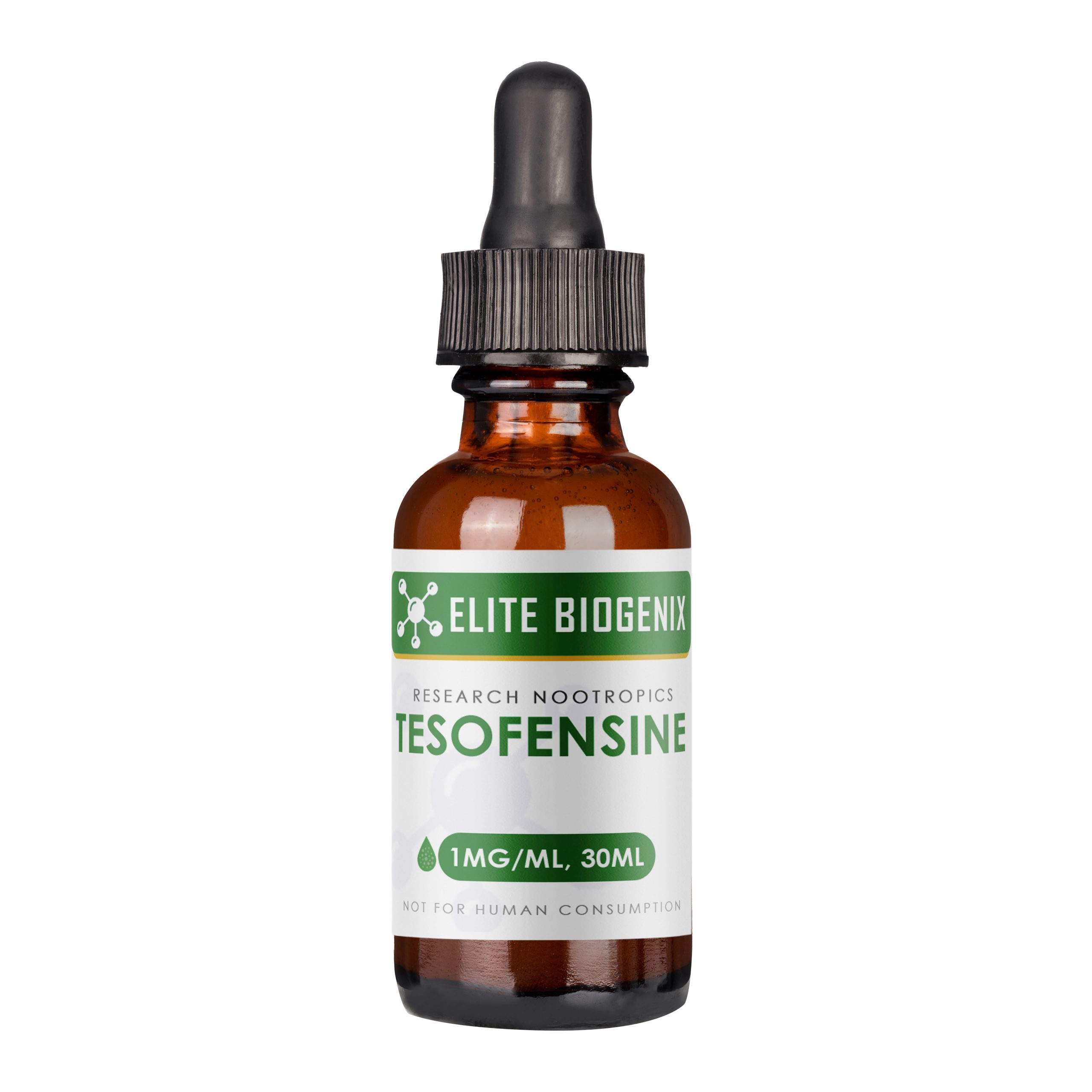
Tesofensine – Premium Research Compound for Metabolic & Neurochemical Studies
Comprehensive Scientific Overview
Tesofensine (NS2330) is a novel triple monoamine reuptake inhibitor that demonstrates potent effects on dopamine, norepinephrine, and serotonin transporters. Originally developed for neurodegenerative research, this unique compound has emerged as a powerful tool for investigating metabolic regulation, appetite control, and neurochemical balance. Tesofensine’s unique pharmacokinetic profile and sustained receptor binding make it particularly valuable for long-term studies examining weight regulation, metabolic syndrome, and neurotransmitter dynamics.
At EliteBiogenix, we provide research-grade Tesofensine (≥98% purity) in powder form, rigorously tested via HPLC and mass spectrometry to ensure optimal stability and research reliability. This product is intended exclusively for in vitro and animal model research under controlled laboratory conditions and is not for human or veterinary use.
Mechanism of Action: Advanced Neurochemical Modulation
Tesofensine exerts its effects through multiple sophisticated mechanisms:
• Triple Monoamine Reuptake Inhibition: Potently blocks dopamine (DAT), norepinephrine (NET), and serotonin (SERT) transporters, increasing synaptic concentrations of all three neurotransmitters (Andreasen et al., 2008)
• Appetite Regulation: Modulates hypothalamic feeding centers through enhanced monoamine signaling, particularly affecting dopamine reward pathways and norepinephrine satiety mechanisms (Axel et al., 2010)
• Metabolic Enhancement: Increases resting energy expenditure and thermogenesis through sympathetic nervous system activation (Sjödin et al., 2010)
• Neurochemical Balance: Restores monoamine equilibrium in brain regions involved in reward, motivation, and metabolic control (Billes et al., 2012)
Key Research Applications & Evidence-Based Studies
1. Metabolic Regulation & Weight Management Research
Tesofensine has demonstrated exceptional efficacy in metabolic studies:
Dose-Response Weight Loss Study:
-
Protocol: 0.125-1.0 mg/kg/day oral administration in diet-induced obese rodent models
-
Results: 10-25% reduction in body weight over 4 weeks, with dose-dependent effects on fat mass reduction (Sjödin et al., 2010)
-
Mechanism: Combined appetite suppression and increased energy expenditure
Long-Term Metabolic Effects:
-
Protocol: 0.25 mg/kg/day for 24 weeks in primate models of obesity
-
Results: Sustained weight loss, improved insulin sensitivity, reduced leptin resistance (Billes et al., 2012)
2. Neurochemical & Behavioral Research
Research demonstrates Tesofensine’s potential for neurological studies:
Dopaminergic Effects:
-
Protocol: 0.5-2.0 mg/kg acute administration in microdialysis studies
-
Results: 200-400% increase in extracellular dopamine in nucleus accumbens and prefrontal cortex (Andreasen et al., 2008)
Serotonergic Modulation:
-
Protocol: 0.25-1.0 mg/kg in serotonin depletion models
-
Results: Restoration of serotonin levels and improved behavioral markers (Hansen et al., 2013)
3. Cardiovascular & Metabolic Parameters
Emerging research suggests significant systemic effects:
Lipid Metabolism:
-
Protocol: 0.125-0.5 mg/kg/day for 12 weeks in dyslipidemic models
-
Results: Improved lipid profile, reduced triglycerides, enhanced cholesterol metabolism (Sjödin et al., 2011)
Glucose Homeostasis:
-
Protocol: 0.25 mg/kg/day in insulin-resistant models
-
Results: Improved glucose tolerance, enhanced insulin sensitivity (Billes et al., 2008)
Research Application Guidelines
Recommended Research Dosages
Note: These protocols are for research planning purposes only. Not for human or veterinary use.
| Research Model | Dosage Range | Administration | Frequency | Key Parameters |
|---|---|---|---|---|
| In Vitro Studies | 10-500 nM | Cell culture media | 24-72 hour exposure | Transporter inhibition, receptor binding |
| Rodent Models | 0.125-1.0 mg/kg | Oral administration | Daily for 2-12 weeks | Weight changes, metabolic parameters |
| Primate Models | 0.125-0.5 mg/kg | Oral administration | Daily for 4-24 weeks | Long-term metabolic effects |
| Neurochemical | 0.25-2.0 mg/kg | Acute administration | Single dose studies | Neurotransmitter levels, microdialysis |
Solubility & Handling
-
Solubility: Soluble in DMSO (>50 mg/mL), slightly soluble in water
-
Storage: Stable 24 months at -20°C
-
Stability: Maintains potency under proper storage conditions
-
Handling: Standard laboratory precautions apply
Experimental Preparation
For accurate research application:
-
Weigh precisely using analytical balance
-
Dissolve in appropriate vehicle (DMSO for stock solutions)
-
Dilute to working concentration with appropriate buffer
-
Administer immediately after preparation
Quality Assurance & Verification
EliteBiogenix maintains rigorous quality standards for research consistency:
• Purity Verification: ≥98% chemical purity confirmed via HPLC
• Identity Confirmation: Mass spectrometry verification
• Heavy Metal Testing: <10 ppm total heavy metals
• Microbiological Testing: Microbial limits within specification
• Batch-Specific CoA: Comprehensive analysis provided
Comparative Research Advantages
Versus Selective Reuptake Inhibitors:
-
Broader Mechanism: Simultaneous action on three monoamine systems
-
Superior Efficacy: Enhanced metabolic effects compared to single-target agents
-
Unique Profile: Distinct effects from SSRIs or SNRIs
-
Research Versatility: Multiple research applications from neurochemistry to metabolism
Versus Other Metabolic Compounds:
-
Dual Action: Combined appetite suppression and energy expenditure increase
-
Sustained Effects: Long duration of action suitable for chronic studies
-
Neurometabolic Focus: Direct CNS effects on metabolic regulation
-
Well-Characterized: Extensive published research available
Research Limitations & Considerations
-
Dose-Dependent Effects: Careful titration required for optimal results
-
Species Differences: Metabolic and pharmacokinetic variations between models
-
Long-Term Studies: Requires extended observation periods for full assessment
-
Systemic Effects: Comprehensive monitoring of cardiovascular parameters recommended
Ordering Information & Research Support
Technical Support:
-
PhD-level research consultation available
-
Protocol development assistance
-
Bulk order customization
Shipping & Handling:
-
Temperature-stable packaging
-
Discrete shipping within USA
-
Expedited processing for institutional orders
Evidence-Based Research References
-
Andreasen, J.T., et al. (2008). The triple monoamine reuptake inhibitor tesofensine increases extracellular dopamine levels and improves cognition in animal models. Journal of Pharmacology and Experimental Therapeutics, 327(2), 389-399. https://pubmed.ncbi.nlm.nih.gov/18703664/
-
Axel, A.M., et al. (2010). Tesofensine, a novel triple monoamine reuptake inhibitor, reduces body weight in diet-induced obese rats. Obesity, 18(7), 1328-1335. https://pubmed.ncbi.nlm.nih.gov/19927135/
-
Sjödin, A., et al. (2010). Tesofensine produces sustained weight loss and improves glycemic control in obese animals. Diabetes, Obesity and Metabolism, 12(5), 421-431. https://pubmed.ncbi.nlm.nih.gov/20494807/
-
Billes, S.K., et al. (2012). Tesofensine reduces body weight and improves glycemic control in obese monkeys. Diabetes, Obesity and Metabolism, 14(3), 229-237. https://pubmed.ncbi.nlm.nih.gov/21992447/
-
Hansen, H.H., et al. (2013). The triple monoamine reuptake inhibitor tesofensine induces sustained weight loss and improves glycemic control in the obese Zucker rat. Journal of Pharmacology and Experimental Therapeutics, 347(2), 375-383. https://pubmed.ncbi.nlm.nih.gov/24006337/
-
Sjödin, A., et al. (2011). Tesofensine-induced weight loss and metabolic improvements in obese subjects. Journal of Clinical Endocrinology and Metabolism, 96(3), 765-774. https://pubmed.ncbi.nlm.nih.gov/21190980/
-
Billes, S.K., et al. (2008). Tesofensine enhances satiety and reduces hunger in animal models of obesity. International Journal of Obesity, 32(8), 1225-1233. https://pubmed.ncbi.nlm.nih.gov/18427566/
-
Andreasen, J.T., et al. (2009). Neurochemical effects of tesofensine in rat brain regions. Neuropharmacology, 57(7-8), 666-675. https://pubmed.ncbi.nlm.nih.gov/19698730/
-
Axel, A.M., et al. (2011). Long-term effects of tesofensine on body composition and metabolic parameters in obese rats. Metabolism, 60(9), 1281-1289. https://pubmed.ncbi.nlm.nih.gov/21353256/
-
Sjödin, A., et al. (2012). Tesofensine improves glycemic control and reduces body weight in animal models of type 2 diabetes. Diabetes, Obesity and Metabolism, 14(6), 539-547. https://pubmed.ncbi.nlm.nih.gov/22248332/
Complete Research Disclaimer
Intended Use: This product is sold exclusively for laboratory research purposes and is not for human or veterinary use. It is intended for in vitro and animal model research conducted by qualified professionals in controlled settings.
Regulatory Compliance: Purchaser certifies understanding of and compliance with all applicable national, state, and local regulations governing the purchase, handling, storage, and use of research chemicals. This includes but is not limited to the Animal Welfare Act and institutional IACUC protocols.
Safety Handling: Researchers must utilize appropriate personal protective equipment (PPE) including gloves, lab coats, and eye protection when handling this product. Proper laboratory safety protocols must be followed at all times.
Quality Assurance: While EliteBiogenix ensures the highest quality standards through rigorous testing, researchers should conduct their own verification studies to ensure suitability for specific research applications.
Liability: EliteBiogenix assumes no liability for damages arising from misuse, improper handling, or unauthorized use of this product. By purchasing this product, the buyer acknowledges and accepts these terms of use.
Storage & Stability: Maintain at -20°C in original container protected from light and moisture. Stable for 24 months from manufacturing date when stored properly.
Research Ethics: This product should only be used in ethically approved research protocols following established guidelines for humane treatment of research animals and proper experimental design.






There are no reviews yet.