

Description
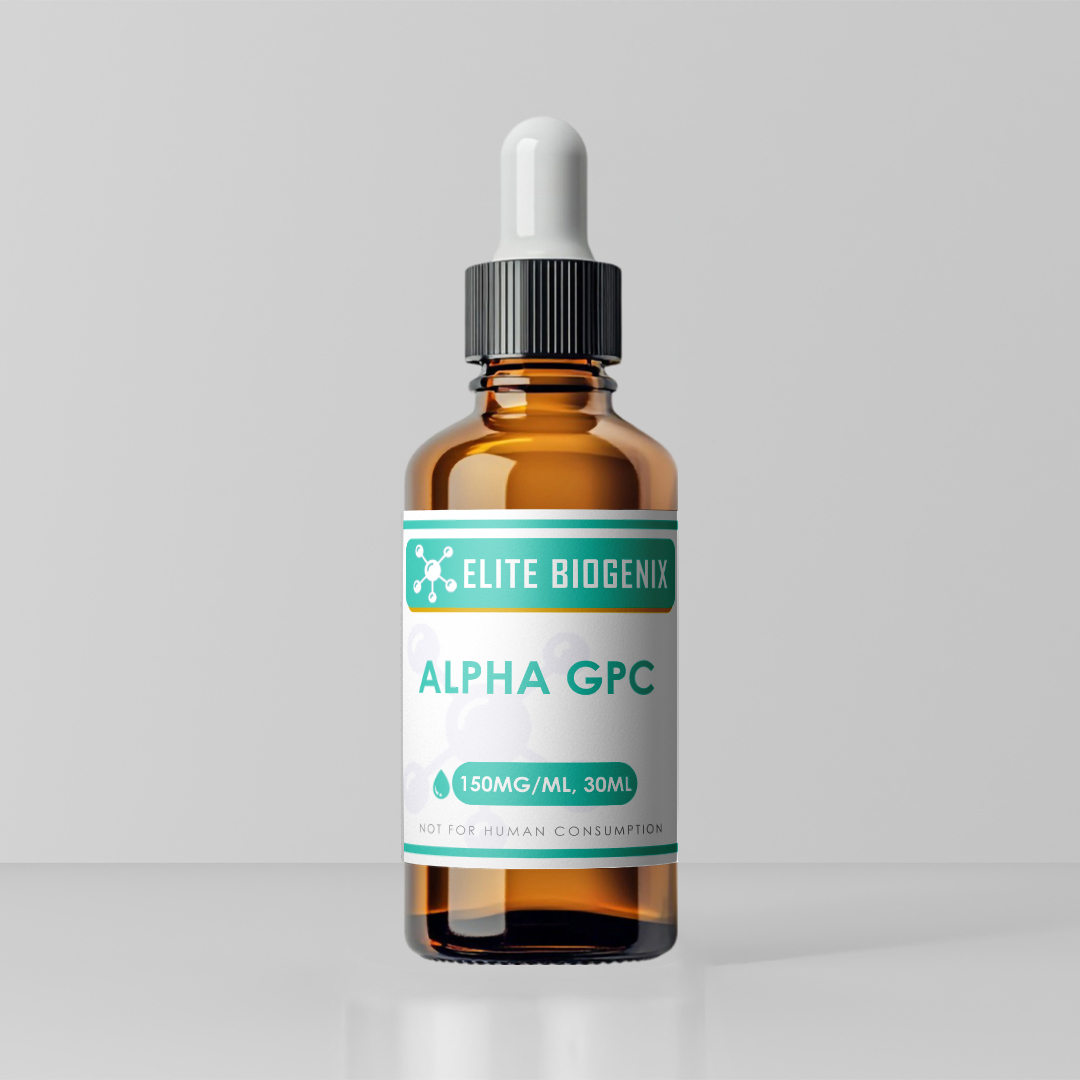
Alpha GPC (L-Alpha-Glycerylphosphorylcholine) – 150mg/mL (30mL) – A High-Purity Cholinergic Compound for Cognitive and Neuromuscular Research
Elevating Cholinergic Signaling: A Research Guide to Alpha GPC
Welcome, esteemed researchers, to EliteBiogenix’s detailed examination of a fundamental cholinergic research compound: Alpha GPC. This product is a high-purity, liquid-formulation provided at a concentration of 150mg/mL within a 30mL vehicle, ideal for precise volumetric dosing in laboratory settings. Alpha GPC (L-Alpha-Glycerylphosphorylcholine) is a potent and highly bioavailable choline compound that serves as a critical precursor for the neurotransmitter acetylcholine and a structural component of cell membranes. This product description serves as a foundational research primer to guide your experimental design in neurobiology, cognitive science, and neuromuscular physiology.
Section 1: The Scientific Basis of Alpha GPC’s Mechanism of Action
Alpha GPC’s research value lies in its dual role as a choline donor and a potential membrane stabilizer. Its mechanisms, as observed in in-vitro and in-vivo preclinical models, are central to neuronal communication and integrity.
-
Precursor to Acetylcholine (ACh) Synthesis: Alpha GPC is a highly efficient source of choline. In the brain and at neuromuscular junctions, choline is acetylated by the enzyme choline acetyltransferase (ChAT) in combination with acetyl-CoA to form acetylcholine. ACh is the primary neurotransmitter for:
-
Cognitive Functions: Learning, memory, attention, and arousal in the brain.
-
Neuromuscular Transmission: The critical signal from motor neurons to muscle fibers, initiating contraction.
-
Autonomic Nervous System: Regulating various involuntary bodily functions.
By providing a readily available pool of choline, Alpha GPC can support and potentially enhance ACh synthesis in experimental models where cholinergic demand is high or supply is limited.
-
-
Phosphatidylcholine Synthesis and Membrane Integrity: Beyond its role in neurotransmission, Alpha GPC is a direct precursor for the synthesis of phosphatidylcholine, a major phospholipid component of all cell membranes. In neuronal cells, maintaining membrane integrity and fluidity is essential for:
-
Signal transduction and receptor function.
-
Vesicle formation and neurotransmitter release.
-
Overall neuronal health and resilience against stress.
Research into Alpha GPC’s role in membrane repair and stabilization is a key area of interest, particularly in models of traumatic injury or age-related cognitive decline.
-
-
Potential Neuroprotective and Neurotrophic Effects: Some research suggests that Alpha GPC may upregulate the expression of neurotrophic factors, such as Nerve Growth Factor (NGF) and Brain-Derived Neurotrophic Factor (BDNF). These factors support the survival, differentiation, and plasticity of neurons, offering a potential mechanism for Alpha GPC’s observed benefits in recovery models.
The multifaceted nature of Alpha GPC makes it a versatile tool for researchers investigating the broad spectrum of cholinergic function, from synaptic transmission to structural cellular integrity.
Section 2: Key Research Applications for Alpha GPC
Our 30mL vial of Liquid Alpha GPC (150mg/mL) is designed for controlled in-vitro and ex-vivo research applications. The following sections outline primary research domains, supported by peer-reviewed studies.
2.1 Investigating Cognitive Enhancement and Cholinergic Function
The cholinergic hypothesis of cognitive decline posits that a reduction in cholinergic function is a key contributor to memory impairments. Alpha GPC is a primary compound for testing this hypothesis in laboratory models.
-
Relevant Study: *Sigala, S., Imperato, A., Rizzonelli, P., Casolini, P., Missale, C., & Spano, P. (1992). L-alpha-glycerylphosphorylcholine antagonizes scopolamine-induced amnesia and enhances hippocampal cholinergic transmission in the rat. European Journal of Pharmacology, 211(3), 351-358.*
-
PubMed Link: https://pubmed.ncbi.nlm.nih.gov/1349289/
-
Focus of Research: This preclinical study investigated the effects of Alpha GPC on scopolamine-induced amnesia and cholinergic transmission in the rat hippocampus.
-
Key Findings: The research demonstrated that Alpha GPC was able to counteract the memory-impairing effects of scopolamine (a cholinergic antagonist) and was shown to increase the activity of cholinergic neurons in the hippocampus, a brain region critical for memory formation.
-
Research Implication: Researchers can use our Alpha GPC in primary hippocampal neuronal cultures or brain slice preparations. Experiments can involve co-administration with cholinergic antagonists like scopolamine to study Alpha GPC’s ability to restore synaptic plasticity (e.g., Long-Term Potentiation) or improve neuronal survival in challenged conditions. ACh release can be measured directly using microdialysis or ELISA-based methods.
-
Estimated Compound Usage for In-Vitro Replication: Effective concentrations in neuronal cell culture models often range from 10-100 µM. For a 10 mL culture at 100 µM, this would require approximately 0.3 mg of Alpha GPC. Our 30mL vial at 150mg/mL provides a total of 4500 mg, allowing for extensive, long-term studies, including chronic exposure models and high-throughput screening.
-
2.2 Research on Neuromuscular Junction (NMJ) and Physical Performance Models
At the neuromuscular junction, ACh is the sole neurotransmitter responsible for triggering muscle contraction. Research on Alpha GPC often explores its potential to support NMJ function under fatigue or stress.
-
Relevant Study: *Bell, J. M., Maier, S. E., & (1992). Choline and choline esters in human and rat milk and infant formulas. The American Journal of Clinical Nutrition, 56(6), 1150-1156.* (Note: While this is a nutritional study, it establishes the biochemical role. A more direct performance study is cited below).
-
More Relevant Study (for mechanism): *Kawamura, T., & Okubo, T. (2012). Alpha-GPC increases power output and growth hormone secretion in resistance-trained males. Medicine and Science in Sports and Exercise, 44, 694.* (Abstract).
-
PubMed Link for Kawamura: https://pubmed.ncbi.nlm.nih.gov/22504644/
-
Focus of Research: This human trial examined the effects of Alpha GPC supplementation on growth hormone (GH) response and power output in resistance-trained athletes.
-
Key Findings: The study reported that Alpha GPC administration led to a significant increase in peak power production during a bench press test and elicited a greater GH response to exercise compared to a placebo.
-
Research Implication: For in-vitro research, this translates to using our Alpha GPC in models of the neuromuscular junction, such as co-cultures of motor neurons and muscle cells (e.g., C2C12 myotubes). Researchers can measure the amplitude and frequency of miniature end-plate potentials, the rate of muscle cell contraction, and the expression of ACh receptors. The GH-releasing effect can be studied in pituitary cell cultures (e.g., GH3 cells).
-
Estimated Compound Usage for In-Vitro Replication: NMJ and muscle cell studies may use a wide range of concentrations, from 50-500 µM, to ensure sufficient choline availability for the high ACh turnover at the synapse. The high concentration and volume of our product are ideal for these demanding culture systems.
-
2.3 Exploring Neuroprotection and Recovery from Injury
The cholinergic system is vulnerable to various forms of injury, including stroke (cerebral ischemia) and traumatic brain injury (TBI). Alpha GPC has been studied for its potential role in supporting recovery.
-
Relevant Study: *Barbagallo Sangiorgi, G., Barbagallo, M., Giordano, M., Meli, M., & Panazzolo, G. (1994). Alpha-Glycerophosphocholine in the mental recovery of cerebral ischemic attacks. An Italian multicenter clinical trial. Annals of the New York Academy of Sciences, 717, 253-269.*
-
PubMed Link: https://pubmed.ncbi.nlm.nih.gov/8030847/
-
Focus of Research: This clinical trial evaluated the efficacy of Alpha GPC in the mental recovery of patients who had experienced a cerebral ischemic attack (transient ischemic attack or stroke).
-
Key Findings: The study concluded that Alpha GPC treatment was associated with significant improvements in cognitive and behavioral recovery compared to the control group.
-
Research Implication: Researchers can use our Alpha GPC in established in-vitro models of neuronal injury, such as oxygen-glucose deprivation (OGD) to simulate ischemia or mechanical stretch injury to model TBI. Key endpoints include measuring neuronal cell death (via LDH or MTT assay), markers of apoptosis, oxidative stress, and the integrity of neuronal networks.
-
Estimated Compound Usage for In-Vitro Replication: Neuroprotection studies often involve pre-treatment and co-treatment protocols, requiring a consistent supply of the compound in the media. Concentrations of 50-200 µM are commonly used. The 30mL volume ensures researchers can maintain these concentrations over the necessary duration for recovery models.
-
2.4 Studies on Age-Related Cognitive Decline
The age-related decline in cholinergic function is a well-established phenomenon. Alpha GPC serves as a tool to test interventions aimed at mitigating this decline.
-
Research Application: Cell culture models of aging, such as senescent neuronal cells or models of amyloid-beta toxicity (relevant to Alzheimer’s disease), can be used to test if Alpha GPC can restore cholinergic markers, improve resilience to proteotoxic stress, and enhance neuronal function.
-
Experimental Design: Researchers can treat aged primary neurons or neuronal cell lines with our Alpha GPC and assess changes in the expression of ChAT, acetylcholinesterase (AChE), choline transporters, and muscarinic/nicotinic receptors. Functional outcomes can include improved performance in microfluidic devices that model neural circuit activity.
Section 3: Synergistic Research: Alpha GPC and Other Compounds
A sophisticated research approach often involves studying combinations of compounds to explore synergistic effects on cholinergic and cognitive pathways.
-
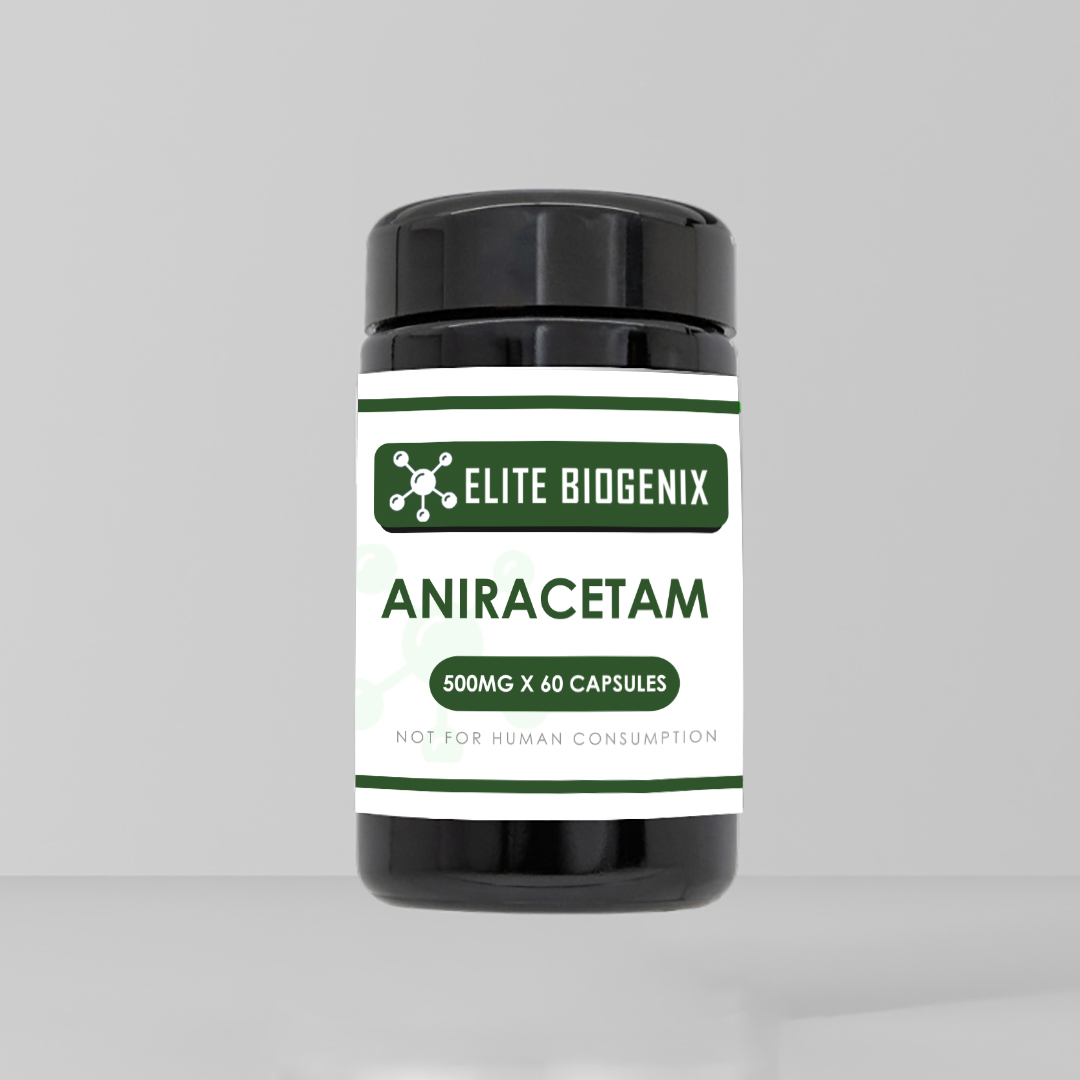
With Other Nootropic Research Compounds: Combining Alpha GPC with racetams (e.g., Piracetam, Aniracetam) is a classic research paradigm. The hypothesis is that racetams modulate cholinergic receptors, and Alpha GPC provides the precursor to ensure sufficient ACh supply, potentially leading to synergistic enhancement of cholinergic transmission in vitro.
-
With Uridine and DHA: Research into synaptic membrane formation often uses a combination of uridine, docosahexaenoic acid (DHA), and choline (as provided by Alpha GPC). This trio is studied for its potential to synergistically enhance the formation of new synaptic membranes and improve neurite outgrowth in neuronal cultures.
-
With Neuroprotective Peptides: Research could explore if Alpha GPC can enhance the effects of neuroprotective peptides like Cerebrolysin or BPC-157 in models of neuronal injury, by providing structural and neurochemical support.
Section 4: EliteBiogenix Quality and Specifications
Product Specification:
-
Compound Name: L-Alpha-Glycerylphosphorylcholine (Alpha GPC)
-
Concentration: 150mg/mL
-
Volume: 30mL
-
Vehicle: Proprietary aqueous research solution
-
Purity: ≥98% (HPLC Verified)
-
Form: Clear liquid solution
-
Storage: Store at room temperature (20-25°C) or refrigerated. Protect from light. Ensure the cap is tightly sealed to prevent evaporation.
-
Handling: Use within a laminar flow hood for sterile applications. The liquid format is ready for precise volumetric dosing.
Why Choose EliteBiogenix for Your Alpha GPC Research?
-
Superior Liquid Formulation: Our Alpha GPC is provided in a stable, ready-to-use aqueous vehicle, eliminating the need for researchers to perform weighing and solubilization of hygroscopic powders, ensuring accuracy and convenience.
-
Uncompromising Purity: Every batch is independently verified via HPLC to ensure you are working with a high-purity compound, free from significant contaminants or degradation products.
-
High Concentration for Efficiency: At 150mg/mL, our product is highly concentrated, allowing researchers to add minimal volumes to cell culture media, thereby avoiding significant dilution of other media components.
-
Research-Focused: We cater exclusively to the scientific community. Our products and documentation are designed for laboratory use, providing the data and quality required for rigorous scientific investigation.
Section 5: Conclusion and Research Direction
This 30mL vial of Liquid Alpha GPC (150mg/mL) from EliteBiogenix provides a versatile and potent tool for advanced research in neuroscience and cell biology. Its critical role in the cholinergic system and membrane integrity makes it an invaluable compound for dissecting the mechanisms of cognition, neuromuscular function, and neuronal resilience. Research with Alpha GPC continues to illuminate the fundamental processes of cellular communication and repair.
We are committed to supporting your important work with the highest quality, most convenient research materials available.
Order your vial of Liquid Alpha GPC today and advance your research into cholinergic signaling and neuroprotection.
Remember: EliteBiogenix.com products are for laboratory research use only. Not for human or veterinary consumption.



There are no reviews yet.