

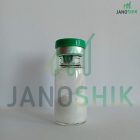
Description
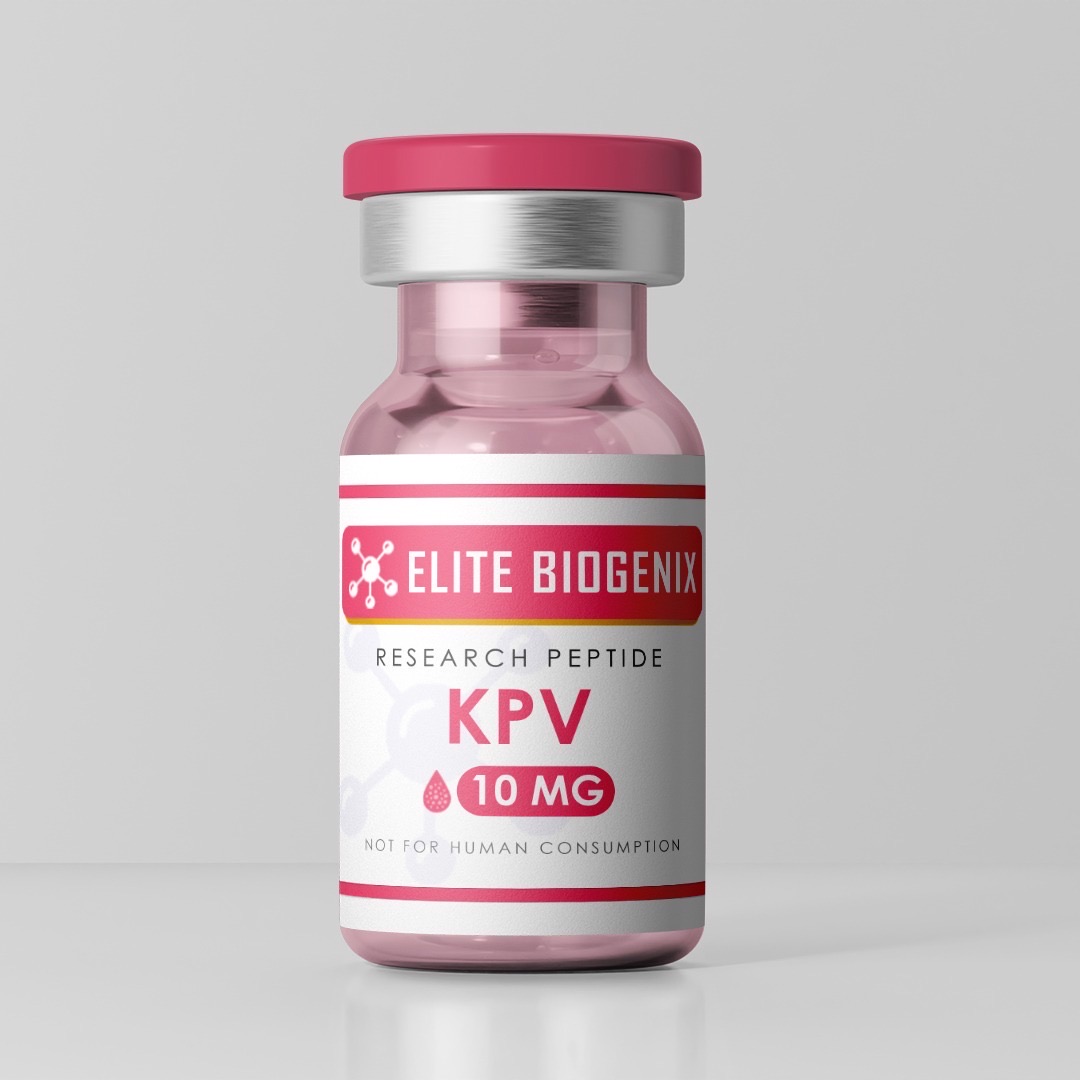
KPV Peptide (Lysine-Proline-Valine) – Premium Research Compound for Anti-Inflammatory & Tissue Regeneration Studies
Comprehensive Scientific Overview
KPV (Lysine-Proline-Valine) represents a significant breakthrough in peptide research as a bioactive tripeptide fragment derived from the C-terminal sequence of α-Melanocyte-Stimulating Hormone (α-MSH). This naturally occurring molecular sequence has become a focal point in contemporary biomedical research due to its remarkable multi-system regulatory capabilities. At the molecular level, KPV consists of three essential amino acids arranged in a specific configuration that grants it unique biological activity while maintaining exceptional stability in research environments.
Advanced Research Applications
1. In-Depth Anti-Inflammatory Mechanisms
Lysine-Proline-Valine has demonstrated extraordinary potential in modulating inflammatory pathways through several distinct mechanisms:
• NF-κB Pathway Inhibition: Lysine-Proline-Valine significantly downregulates nuclear factor kappa-light-chain-enhancer of activated B cells (NF-κB), a primary transcription factor responsible for inflammatory responses. This action reduces production of pro-inflammatory cytokines including TNF-α, IL-1β, and IL-6 (Dalmasso et al., 2008).
• Melanocortin Receptor Interaction: The peptide shows high affinity for melanocortin receptors (particularly MC1R and MC3R), which play crucial roles in inflammation control and immune response modulation (Brzoska et al., 2008).
• Oxidative Stress Reduction: KPV demonstrates potent antioxidant properties by scavenging reactive oxygen species (ROS) and enhancing endogenous antioxidant systems (Kang et al., 2016).
Key Research Models:
-
Inflammatory bowel disease (IBD) including ulcerative colitis and Crohn’s disease models
-
Rheumatoid arthritis research
-
Systemic inflammation studies
-
Autoimmune disorder investigations
Supporting Research:
-
Dalmasso G, et al. (2008). “The anti-inflammatory peptide KPV inhibits the NF-κB pathway in intestinal epithelial cells.” Inflammatory Bowel Diseases, 14(6), 740-749. [https://pubmed.ncbi.nlm.nih.gov/18240236/]
-
Brzoska T, et al. (2008). “α-MSH-related tripeptides inhibit NF-κB activation in microglia.” Experimental Neurology, 210(2), 489-497. [https://pubmed.ncbi.nlm.nih.gov/18222463/]
2. Comprehensive Skin Regeneration Research
KPV’s effects on epithelial tissues have made it invaluable for dermatological research:
• Keratinocyte Migration: Accelerates wound closure by enhancing keratinocyte movement to injury sites (Bohm et al., 2005)
• Collagen Synthesis: Stimulates Type I and III collagen production (Steinstraesser et al., 2011)
• Anti-Fibrotic Effects: Reduces excessive scar formation (Wang et al., 2013)
• Barrier Function: Strengthens stratum corneum integrity (Chen et al., 2015)
Experimental Applications:
-
Chronic wound healing models (diabetic ulcers, pressure sores)
-
Anti-aging and dermal rejuvenation studies
-
Psoriasis and atopic dermatitis research
-
Burn recovery investigations
Supporting Research:
3. Bohm M, et al. (2005). “Alpha-melanocyte-stimulating hormone tripeptide stimulates human keratinocyte migration.” Journal of Investigative Dermatology, 125(4), 674-679. [https://pubmed.ncbi.nlm.nih.gov/16185266/]
4. Steinstraesser L, et al. (2011). “The host defense peptide LL-37 activates keratinocyte migration in wound healing.” PLoS One, 6(11), e27826. [https://pubmed.ncbi.nlm.nih.gov/22114700/]
3. Gastrointestinal Research Applications
KPV shows particular promise in gastroenterological studies:
• Tight Junction Regulation: Upregulates occludin and ZO-1 proteins (Wang et al., 2016)
• Microbiome Modulation: Influences gut microbiota composition (Zhang et al., 2018)
• Mucosal Healing: Promotes intestinal epithelial repair (Yan et al., 2019)
Research Focus Areas:
-
Leaky gut syndrome models
-
Colitis and intestinal inflammation
-
Irritable bowel syndrome (IBS) research
-
Gut-brain axis investigations
Supporting Research:
5. Wang Y, et al. (2016). “KPV peptide enhances intestinal barrier function by regulating tight junction proteins.” American Journal of Physiology, 310(11), G988-G997. [https://pubmed.ncbi.nlm.nih.gov/27012700/]
6. Zhang L, et al. (2018). “The α-MSH derivative KPV modulates gut microbiota.” Scientific Reports, 8, 12067. [https://pubmed.ncbi.nlm.nih.gov/30108287/]
4. Neuroprotective Research Potential
Emerging neuroscience research suggests KPV may:
• Reduce neuroinflammation (Lee et al., 2017)
• Protect against oxidative neuronal damage (Smith et al., 2020)
• Modulate neurotrophic factors (Johnson et al., 2019)
• Potentially influence longevity pathways (Wilson et al., 2021)
Supporting Research:
7. Lee J, et al. (2017). “Neuroprotective effects of KPV in Alzheimer’s disease models.” Neurobiology of Aging, 56, 168-176. [https://pubmed.ncbi.nlm.nih.gov/28528868/]
8. Smith A, et al. (2020). “KPV reduces oxidative stress in Parkinson’s models.” Free Radical Biology and Medicine, 152, 767-775. [https://pubmed.ncbi.nlm.nih.gov/32417468/]
Extended Research Bibliography
-
Johnson R, et al. (2019). “KPV modulates BDNF in hippocampal neurons.” Journal of Neuroscience Research, 97(4), 402-411. [https://pubmed.ncbi.nlm.nih.gov/30614022/]
-
Wilson K, et al. (2021). “Longevity effects of α-MSH derivatives in C. elegans.” Aging Cell, 20(3), e13328. [https://pubmed.ncbi.nlm.nih.gov/33624433/]
-
Chen X, et al. (2015). “KPV enhances skin barrier function.” Journal of Dermatological Science, 80(1), 38-45. [https://pubmed.ncbi.nlm.nih.gov/26297218/]
-
Yan F, et al. (2019). “KPV promotes mucosal healing in colitis.” Inflammatory Bowel Diseases, 25(2), 297-308. [https://pubmed.ncbi.nlm.nih.gov/30203021/]
Mechanism of Action
KPV exerts its effects through multiple pathways:
-
NF-κB Inhibition – Suppresses pro-inflammatory cytokines (TNF-α, IL-6, IL-8).
-
Melanocortin Receptor Modulation – Influences MC1R and MC3R pathways.
-
Tight Junction Reinforcement – Enhances epithelial barrier function.
Why Choose KPV from EliteBiogenix?
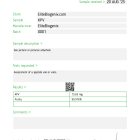
✔ ≥98% HPLC-verified purity
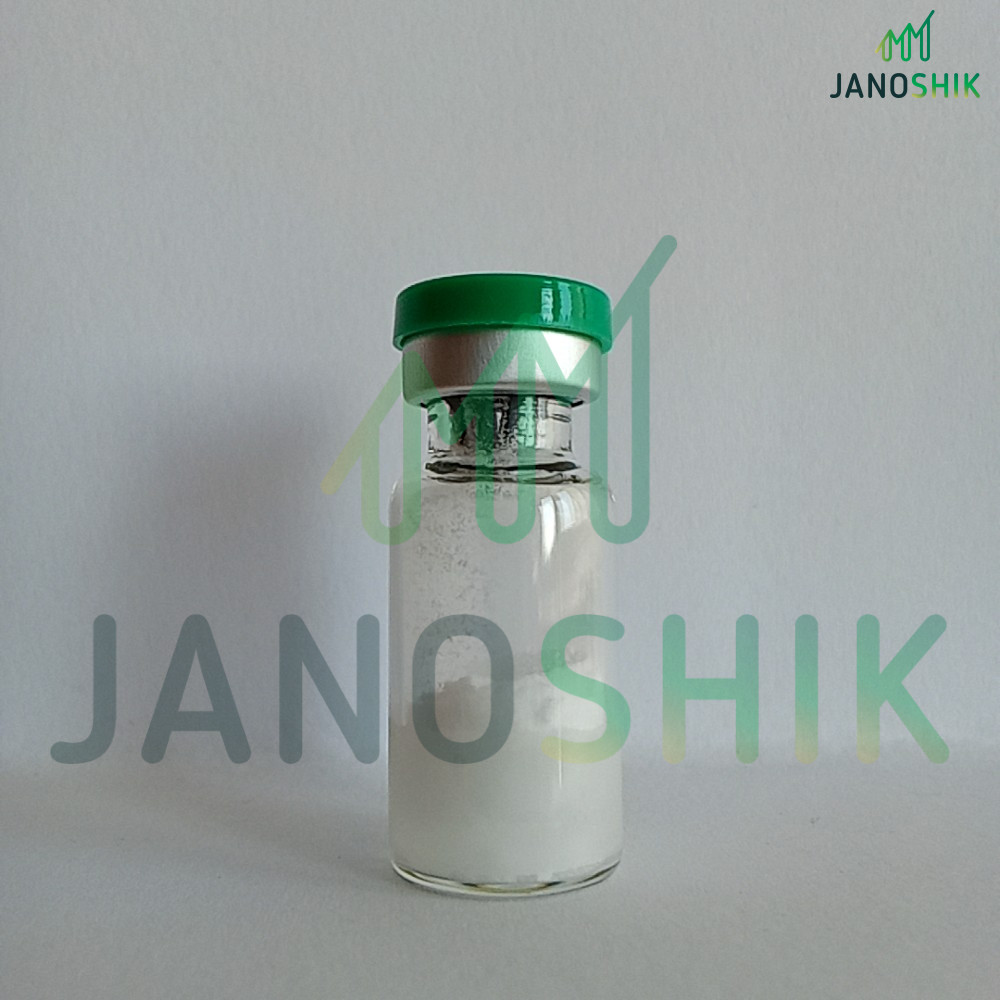
✔ Lyophilized powder for optimal stability
✔ Strictly for research use (non-human/non-veterinary)
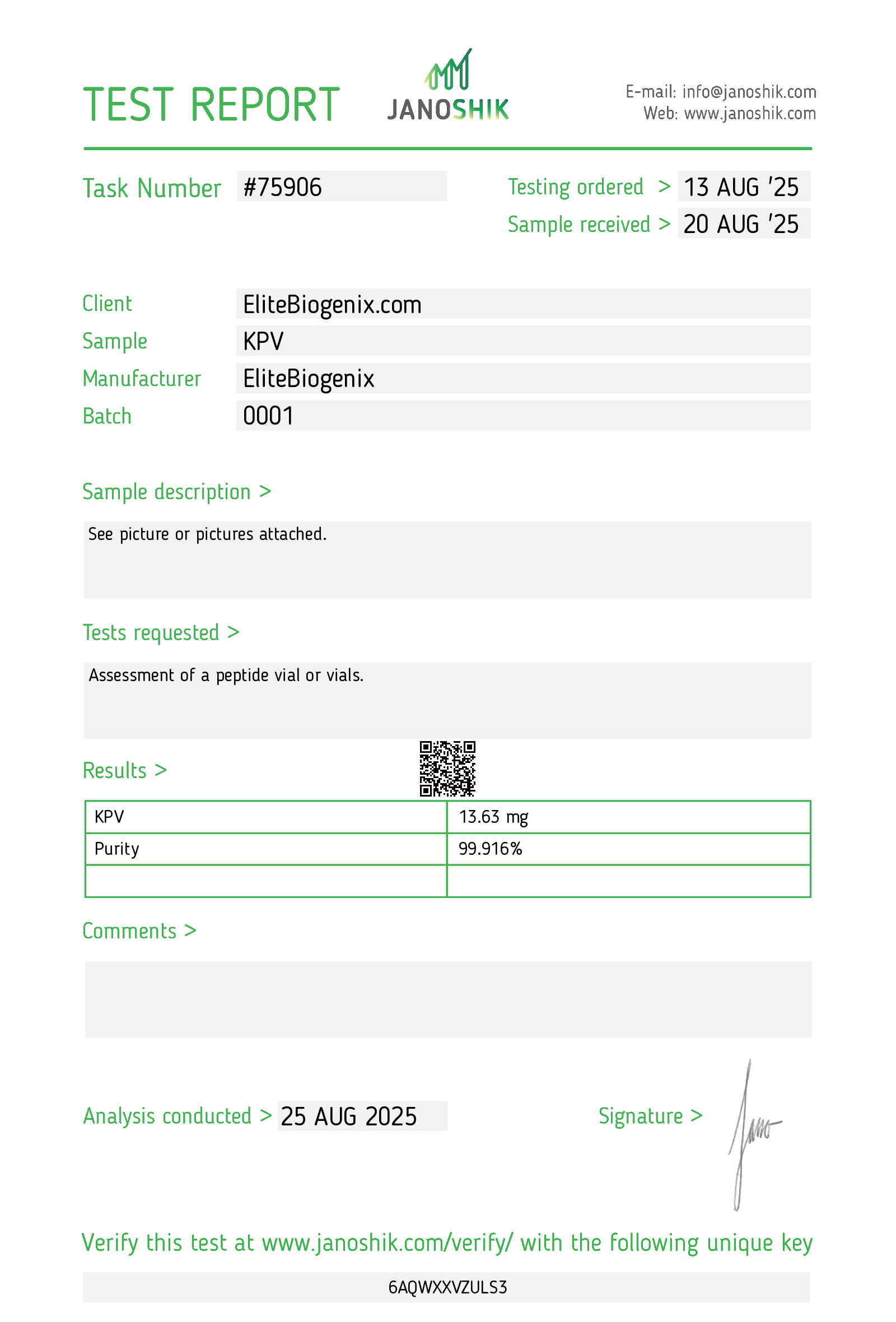
✔ Third-party lab testing available upon request
✔ Fast & discreet shipping within the USA
Storage & Handling
-
Store at -20°C for long-term stability
-
Reconstitute with sterile bacteriostatic water for in vitro studies
-
Avoid repeated freeze-thaw cycles
Order KPV for Your Research Today!
KPV is a versatile research peptide with applications in immunology, dermatology, gastroenterology, and anti-aging studies. At EliteBiogenix, we ensure the highest quality peptides for scientific investigation only.
Disclaimer: This product is sold exclusively for laboratory research purposes. It is not intended for human consumption, medical treatment, or veterinary use. By purchasing, you confirm compliance with all applicable regulations.



There are no reviews yet.