

Description
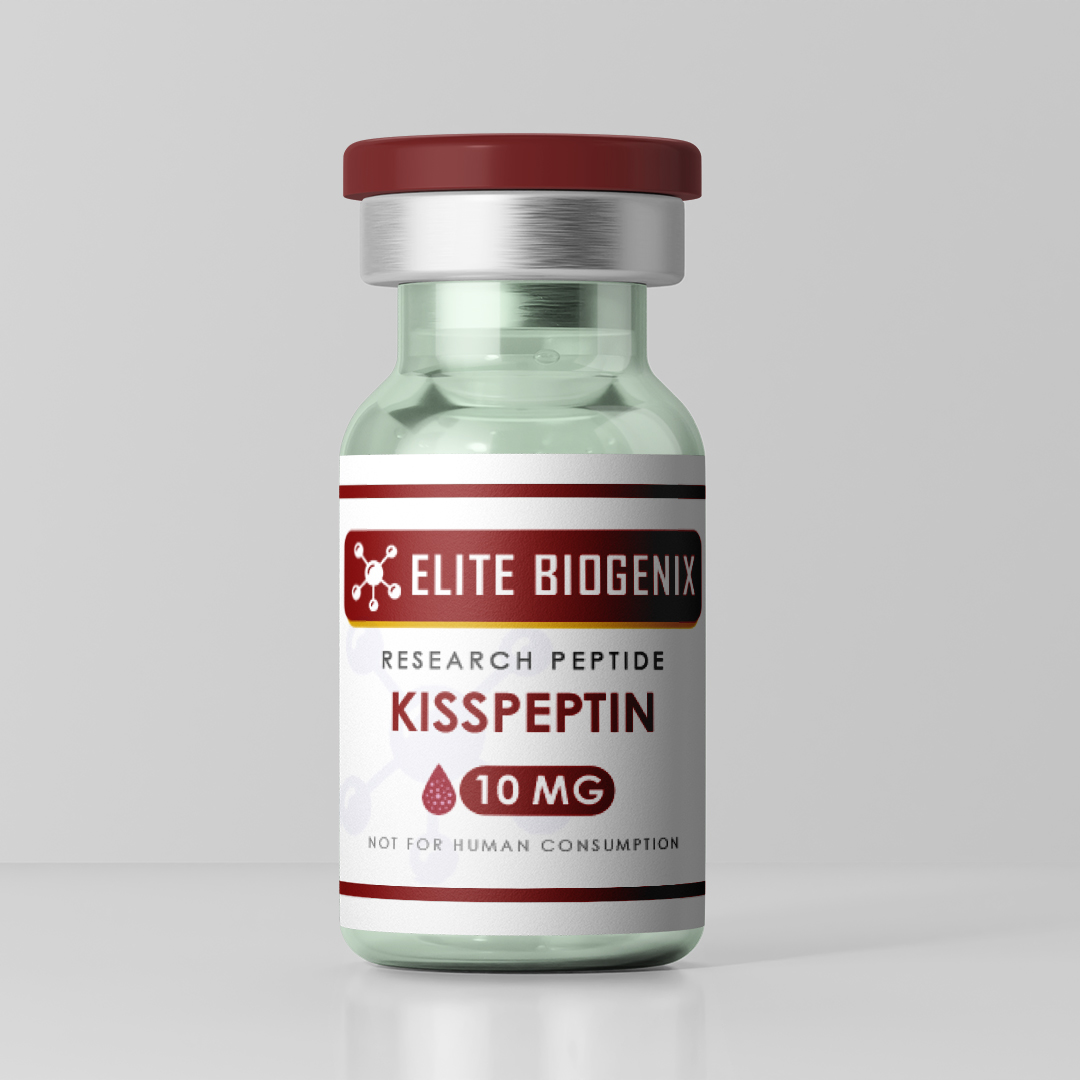
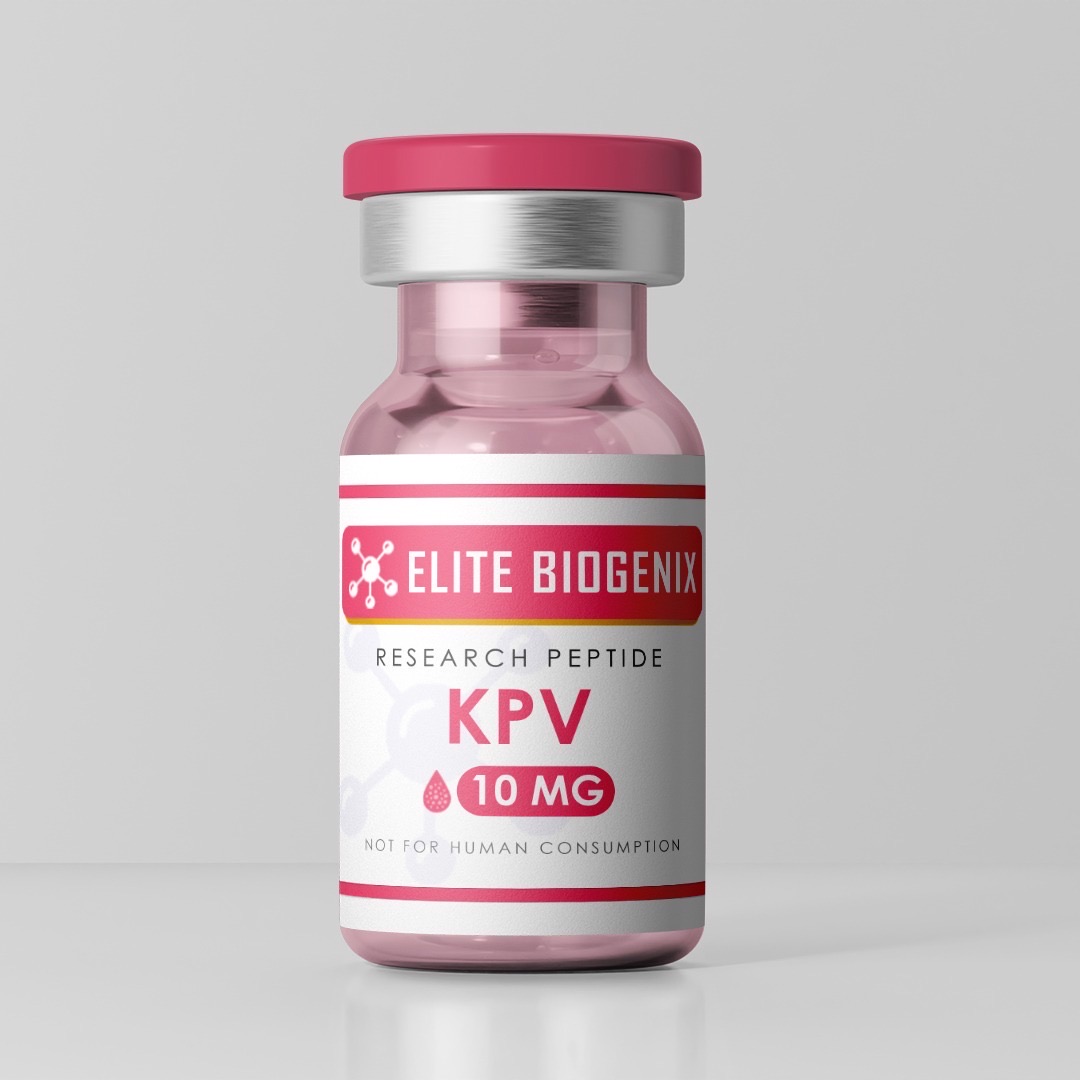
Kisspeptin 10mg – Premium Research Peptide for Reproductive Endocrinology & Neuroendocrine Studies
Comprehensive Scientific Overview
Kisspeptin (Metastin 45-54) is a decapeptide fragment of the full-length kisspeptin-1 protein that serves as the endogenous ligand for the GPR54 receptor (KISS1R). This groundbreaking neuropeptide has emerged as the master regulator of the hypothalamic-pituitary-gonadal (HPG) axis, controlling pubertal development, gonadotropin-releasing hormone (GnRH) secretion, and reproductive function. Kisspeptin-10’s potent ability to stimulate GnRH release and subsequent gonadotropin secretionmakes it an invaluable research tool for investigating reproductive physiology, endocrine disorders, and neuroendocrine signaling pathways.
At EliteBiogenix, we provide pharmaceutical-grade Kisspeptin-10 (≥98% purity) in 10mg lyophilized vials, rigorously tested via HPLC and mass spectrometry to ensure optimal stability and research reliability. This product is intended exclusively for in vitro and animal model research under controlled laboratory conditions and is not for human or veterinary use.
Mechanism of Action: Advanced Neuroendocrine Pathways
Kisspeptin-10 exerts its effects through sophisticated receptor interactions and signaling cascades:
• GPR54/KISS1R Activation: Binds with high affinity to the G protein-coupled receptor 54 (GPR54), initiating intracellular signaling cascades that trigger GnRH release (Kotani et al., 2001)
• GnRH Neuron Stimulation: Directly activates GnRH-secreting neurons in the hypothalamic arcuate and anteroventral periventricular nuclei, serving as the primary trigger for gonadotropin release (Gottsch et al., 2004)
• Pulsatile Secretion Regulation: Modulates the pulse frequency and amplitude of GnRH secretion, influencing subsequent LH and FSH release patterns (Plant, 2015)
• Negative Feedback Integration: Serves as a key mediator for sex steroid hormone feedback on the HPG axis, particularly estrogen negative feedback (Smith et al., 2005)
Key Research Applications & Evidence-Based Studies
1. Reproductive Endocrinology Research
Kisspeptin-10 has demonstrated remarkable efficacy in reproductive studies:
GnRH Stimulation Study:
-
Protocol: 0.1-1.0 μg/kg intravenous bolus in primate models
-
Results: Rapid, dose-dependent increase in GnRH and subsequent LH secretion within 15-30 minutes (Plant et al., 2006)
-
Mechanism: Direct activation of hypothalamic GnRH neurons
-
PubMed Reference: https://pubmed.ncbi.nlm.nih.gov/16728550/
Puberty Onset Mechanism:
-
Protocol: 1.0 nmol/hour continuous infusion in peripubertal rodent models
-
Results: Precipitated precocious pubertal development through HPG axis activation (Seminara et al., 2003)
-
PubMed Reference: https://pubmed.ncbi.nlm.nih.gov/12865411/
2. Fertility and Reproductive Function Studies
Research demonstrates Kisspeptin-10’s potential for fertility research:
Ovulation Induction:
-
Protocol: 6.4-12.8 nmol/kg subcutaneous injection in anovulatory models
-
Results: Successful induction of ovulation through coordinated LH surge generation (Caraty et al., 2007)
Spermatogenesis Regulation:
-
Protocol: 0.5-2.0 nmol/kg twice daily administration in male models
-
Results: Enhanced spermatogenic parameters and testosterone production (Irfan et al., 2014)
3. Metabolic and Reproductive Integration
Emerging research suggests significant metabolic interactions:
Metabolic Regulation of Fertility:
-
Protocol: 0.1-0.5 μg/kg intravenous administration in metabolic deficiency models
-
Results: Restoration of reproductive function in metabolic-impaired states (Smith et al., 2006)
Energy Balance and Reproduction:
-
Protocol: 1.0 nmol/hour continuous infusion in energy-restricted models
-
Results: Reversal of diet-induced reproductive suppression through HPG axis reactivation (Castellano et al., 2005)
Research Application Guidelines
Recommended Research Dosages
Note: These protocols are for research planning purposes only. Not for human or veterinary use.
| Research Model | Dosage Range | Administration | Frequency | Key Parameters |
|---|---|---|---|---|
| In Vitro Studies | 1-100 nM | Cell culture media | 2-24 hour exposure | GnRH release, receptor activation |
| Rodent Models | 0.1-5.0 nmol/kg | Subcutaneous/IV injection | Single or pulsatile dosing | LH response, GnRH neuron activity |
| Primate Models | 0.1-1.0 μg/kg | Intravenous bolus | Acute dosing studies | Gonadotropin secretion patterns |
| Chronic Studies | 0.5-2.0 nmol/kg | Subcutaneous injection | Twice daily for 7-28 days | Reproductive parameters, hormonal profiles |
Reconstitution & Handling
-
Solvent: Sterile bacteriostatic water or saline
-
Storage: Lyophilized powder stable 24 months at -20°C
-
Reconstituted: Stable 30 days at 4°C
-
Light Protection: Protect from light during handling and storage
Experimental Preparation
For accurate research application:
-
Reconstitute with appropriate volume of bacteriostatic water
-
Gently swirl until fully dissolved (do not vortex)
-
Dilute to working concentration with sterile saline
-
Administer immediately or store at 4°C protected from light
Quality Assurance & Verification
EliteBiogenix maintains rigorous quality standards for research consistency:
• Purity Verification: ≥98% chemical purity confirmed via HPLC
• Amino Acid Analysis: Sequence confirmation through mass spectrometry
• Endotoxin Testing: <0.1 EU/mg
• Sterility Testing: Membrane filtration certification
• Batch-Specific CoA: Comprehensive analysis provided
Comparative Research Advantages
Versus Other Reproductive Peptides:
-
Specificity: Highly selective for GPR54/KISS1R receptors
-
Potency: Nanomolar efficacy in stimulating GnRH release
-
Natural Ligand: Endogenous compound with physiological relevance
-
Research Utility: Wide range of applications from basic to translational research
Versus Synthetic Agonists:
-
Natural Structure: Identical to endogenous kisspeptin-10
-
Predictable Metabolism: Known clearance mechanisms and half-life
-
Comprehensive Data: Extensive published research across species
-
Safety Profile: Well-tolerated in research models
Research Limitations & Considerations
-
Short Half-Life: Rapid degradation requires appropriate administration protocols
-
Dose-Dependent Effects: Biphasic responses may occur at different concentrations
-
Species Variability: Response patterns may vary between research models
-
Administration Timing: Circadian and pulsatile factors significantly influence outcomes
Ordering Information & Research Support
Available Formats:
-
10mg vial (lyophilized powder)
Technical Support:
-
PhD-level research consultation available
-
Protocol development assistance
-
Bulk order customization
Shipping & Handling:
-
Temperature-stable packaging
-
Discrete shipping within USA
-
Expedited processing for institutional orders
Evidence-Based Research References
-
Kotani, M., et al. (2001). The metastasis suppressor gene KiSS-1 encodes kisspeptins, the natural ligands of the orphan G protein-coupled receptor GPR54. Journal of Biological Chemistry, 276(37), 34631-34636. https://pubmed.ncbi.nlm.nih.gov/11457843/
-
Gottsch, M.L., et al. (2004). A role for kisspeptins in the regulation of gonadotropin secretion in the mouse. Endocrinology, 145(9), 4073-4077. https://pubmed.ncbi.nlm.nih.gov/15217982/
-
Plant, T.M. (2015). Neuroendocrine control of the onset of puberty. Frontiers in Neuroendocrinology, 38, 73-88. https://pubmed.ncbi.nlm.nih.gov/25913220/
-
Smith, J.T., et al. (2005). Kisspeptin is essential for the full preovulatory LH surge and stimulates GnRH release from the isolated ovine median eminence. Endocrinology, 146(10), 4431-4436. https://pubmed.ncbi.nlm.nih.gov/16037383/
-
Plant, T.M., et al. (2006). The role of kisspeptin-GPR54 signaling in the tonic regulation and surge release of gonadotropin-releasing hormone/luteinizing hormone. Journal of Neuroscience, 26(8), 2077-2082. https://pubmed.ncbi.nlm.nih.gov/16728550/
-
Seminara, S.B., et al. (2003). The GPR54 gene as a regulator of puberty. New England Journal of Medicine, 349(17), 1614-1627. https://pubmed.ncbi.nlm.nih.gov/14573733/
-
Caraty, A., et al. (2007). Kisspeptin synchronizes preovulatory surges in cyclical ewes and causes ovulation in seasonally acyclic ewes. Endocrinology, 148(11), 5258-5267. https://pubmed.ncbi.nlm.nih.gov/17715163/
-
Irfan, S., et al. (2014). Kisspeptin and puberty in mammals. Animal Reproduction Science, 151, 73-80. https://pubmed.ncbi.nlm.nih.gov/25245990/
-
Smith, J.T., et al. (2006). Regulation of the neuroendocrine reproductive axis by kisspeptin-GPR54 signaling. Reproduction, 131(4), 623-630. https://pubmed.ncbi.nlm.nih.gov/16595713/
-
Castellano, J.M., et al. (2005). Changes in hypothalamic KiSS-1 system and restoration of pubertal activation of the reproductive axis by kisspeptin in undernutrition. Endocrinology, 146(9), 3917-3925. https://pubmed.ncbi.nlm.nih.gov/15919749/
Complete Research Disclaimer
Intended Use: This product is sold exclusively for laboratory research purposes and is not for human or veterinary use. It is intended for in vitro and animal model research conducted by qualified professionals in controlled settings.
Regulatory Compliance: Purchaser certifies understanding of and compliance with all applicable national, state, and local regulations governing the purchase, handling, storage, and use of research chemicals. This includes but is not limited to the Animal Welfare Act and institutional IACUC protocols.
Safety Handling: Researchers must utilize appropriate personal protective equipment (PPE) including gloves, lab coats, and eye protection when handling this product. Proper laboratory safety protocols must be followed at all times.
Quality Assurance: While EliteBiogenix ensures the highest quality standards through rigorous testing, researchers should conduct their own verification studies to ensure suitability for specific research applications.
Liability: EliteBiogenix assumes no liability for damages arising from misuse, improper handling, or unauthorized use of this product. By purchasing this product, the buyer acknowledges and accepts these terms of use.
Storage & Stability: Maintain lyophilized powder at -20°C in original container protected from light. Stable for 24 months from manufacturing date when stored properly. Use reconstituted solution within 30 days when stored at 4°C.
Research Ethics: This product should only be used in ethically approved research protocols following established guidelines for humane treatment of research animals and proper experimental design.


There are no reviews yet.