

Description
KLOW Research Stack: Comprehensive Healing & Regenerative Research Protocol – EliteBiogenix.com
Advanced Peptide Synergy for Cutting-Edge Tissue Repair & Anti-Inflammatory Research
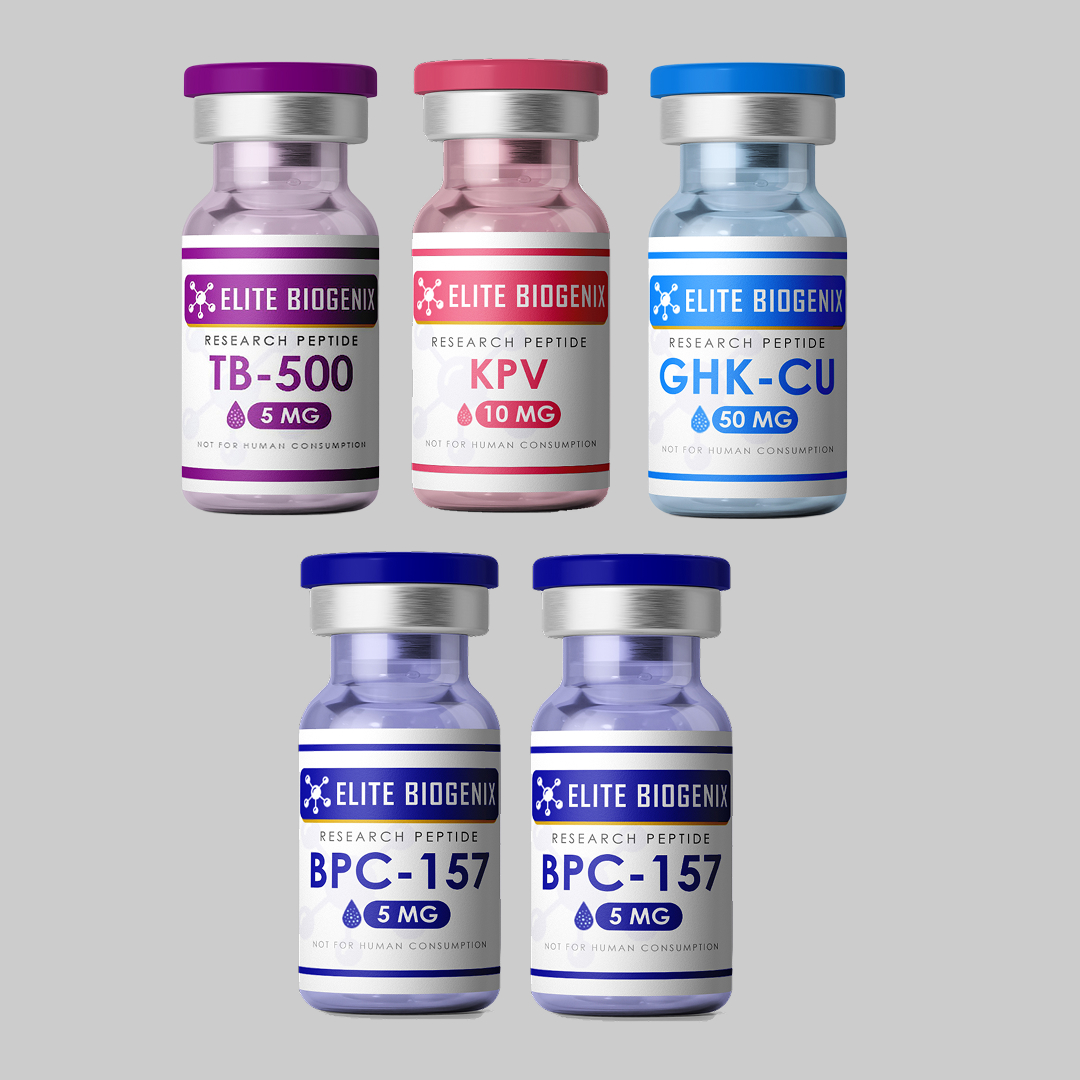
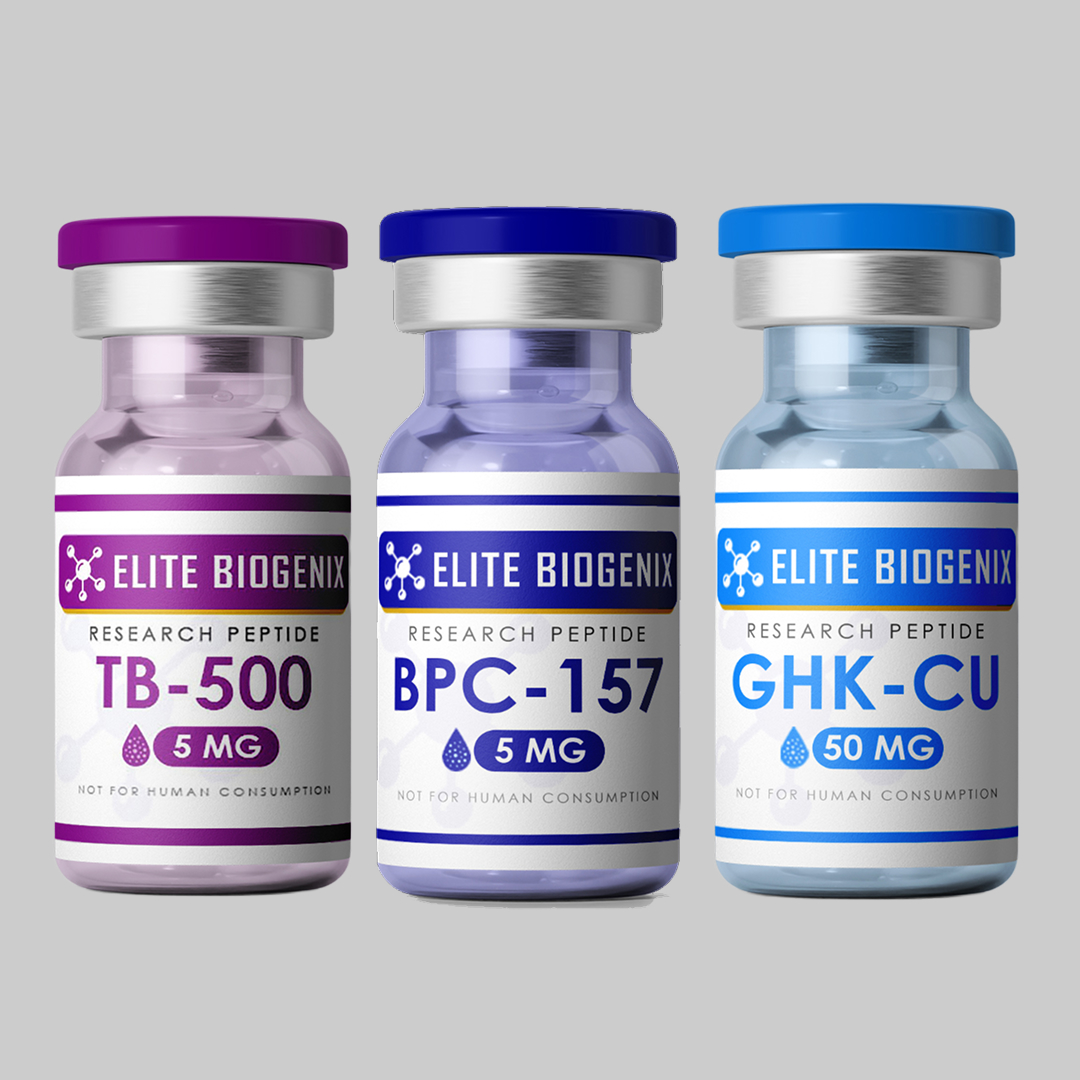
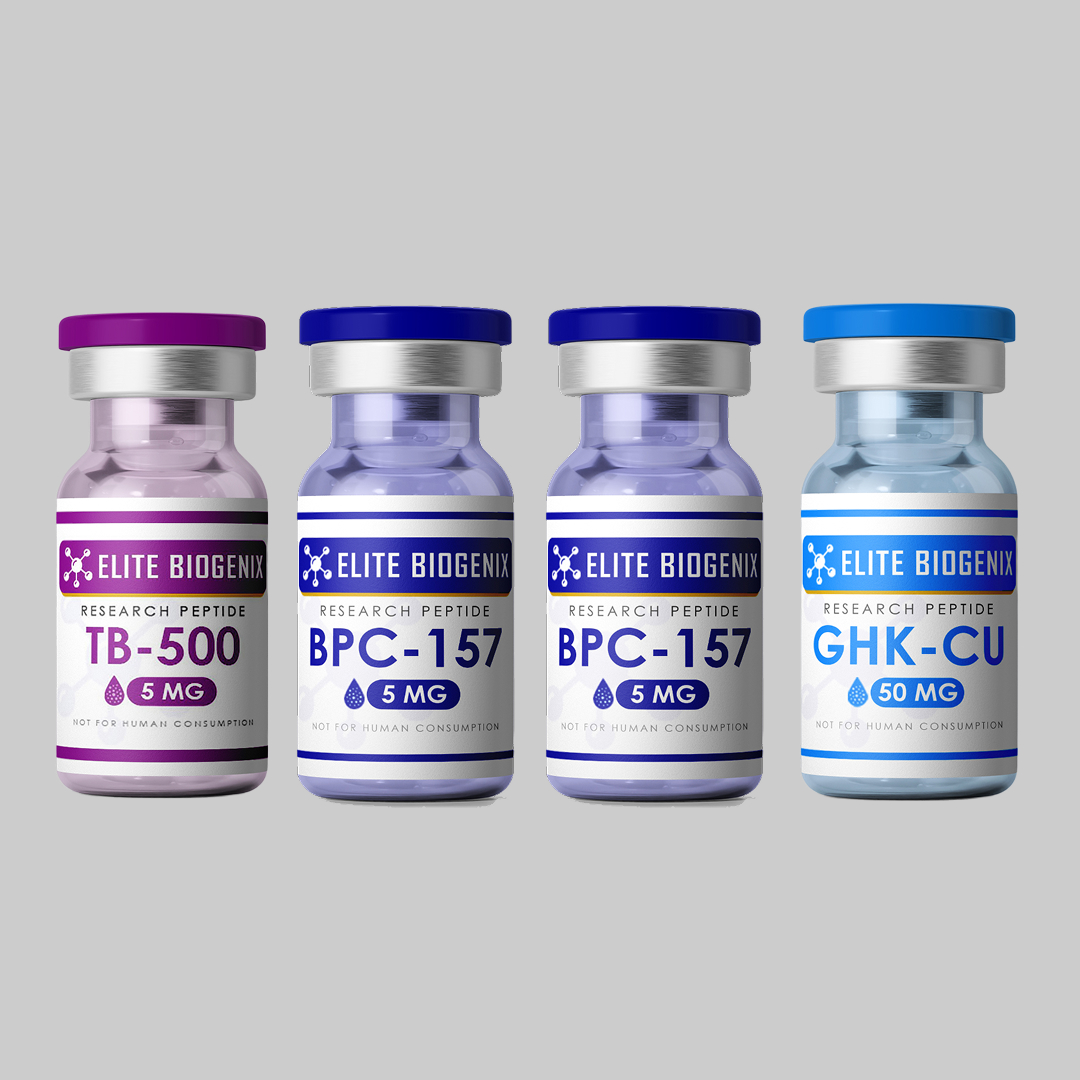
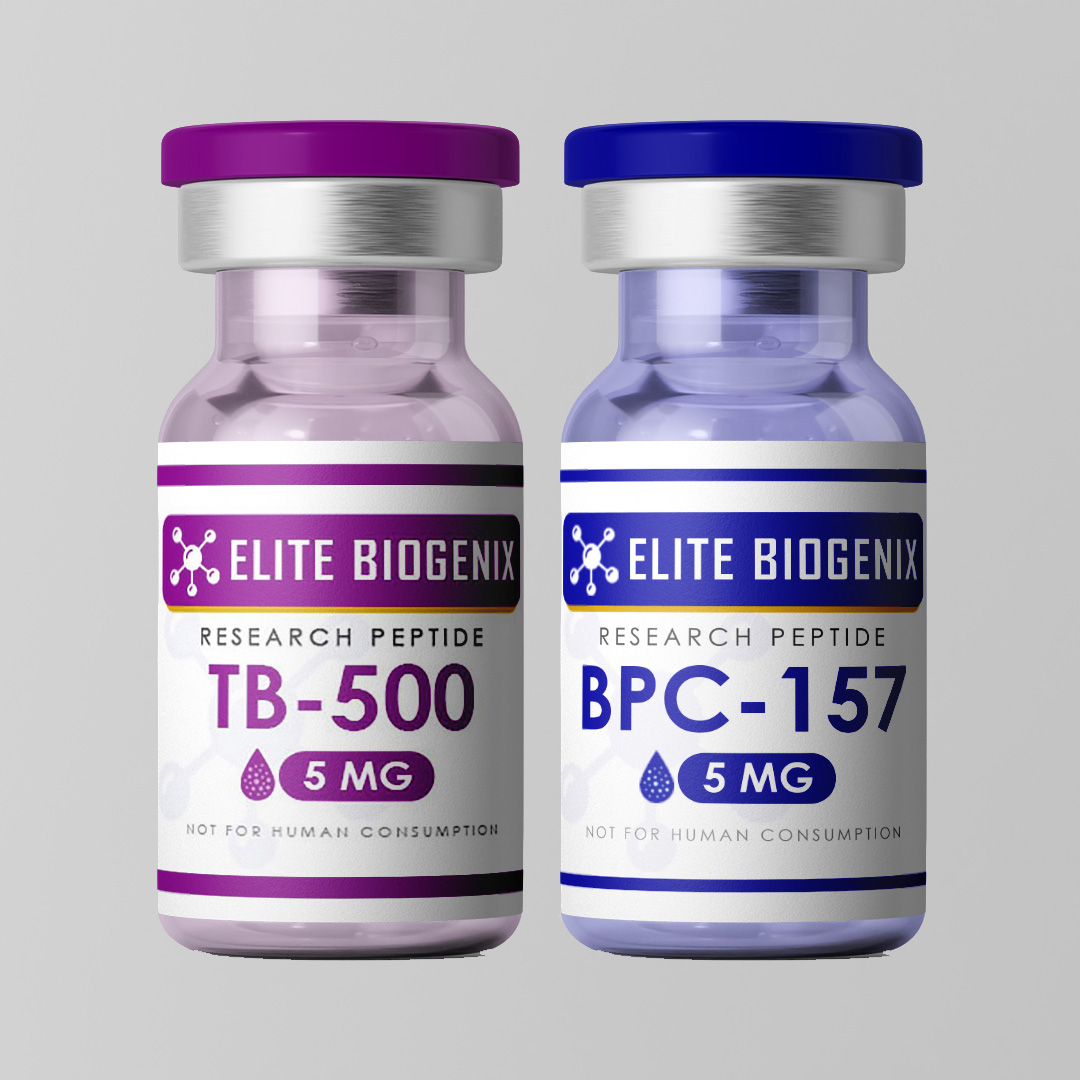
The KLOW Research Stack includes:
1 TB500 5mg
2 BPC157 5mg
1 GHK-CU 50mg
1 KPV 10mg
KLOW Research Stack – Welcome to the forefront of regenerative science research with the KLOW Research Stack from EliteBiogenix. This meticulously curated stack combines four of the most potent and clinically studied peptides in modern science: BPC-157, TB500, GHK-Cu, and KPV. Designed exclusively for in vitro and preclinical laboratory investigation, the KLOW Stack represents a holistic approach to studying tissue repair, inflammation modulation, systemic healing, and skin regeneration.
Disclaimer: The KLOW Research Stack and all its components are sold strictly for research purposes in a controlled laboratory environment. These products are NOT intended for human or veterinary consumption, diagnosis, or treatment of any medical condition. By purchasing from EliteBiogenix, you confirm that you are a qualified researcher adhering to all applicable laws and institutional guidelines.
The KLOW Research Stack is engineered for researchers focusing on:
-
Comprehensive Tissue Repair: Tendons, ligaments, muscle, nerve, and gastric tissue.
-
Powerful Anti-Inflammatory & Anti-Fibrotic Pathways: Studying systemic and local reduction of inflammation and scar tissue.
-
Skin Regeneration & Wound Healing: Enhanced collagen synthesis, antioxidant protection, and accelerated wound closure.
-
Gut-Brain Axis & Immune Modulation: Researching the intricate link between gut integrity, systemic inflammation, and overall wellness.
Each vial is manufactured in an ISO-certified facility and undergoes rigorous third-party High-Performance Liquid Chromatography (HPLC) testing to ensure ≥98% purity, guaranteeing the highest standard of quality and reliability for your scientific research.
1. BPC-157 (Body Protecting Compound-157) – The Ultimate Healing Peptide
KLOW Research Stack Mechanism of Action:
BPC-157 is a stable gastric pentadecapeptide renowned for its remarkable, systemic healing properties. It accelerates repair processes through multiple mechanisms:
-
Angiogenesis: Promotes the formation of new blood vessels, significantly increasing blood flow to injured sites.
-
Growth Factor Upregulation: Increases the expression of key growth factors like VEGF (Vascular Endothelial Growth Factor) and FGF (Fibroblast Growth Factor).
-
Tissue Remodeling: Enhances fibroblast migration and collagen deposition, leading to stronger, more organized tissue repair.
-
Anti-Inflammatory Action: Modulates the immune response, reducing pro-inflammatory cytokines.
-
Protection Against Oxidative Stress: Shields cells from damage caused by free radicals.
KLOW Research Stack Applications & Key Studies:
-
Tendon and Ligament Healing: A seminal study demonstrated that BPC-157 significantly improved the healing process of transected Achilles tendons in rats, with improved biomechanical strength and histological organization.
-
Study: BPC-157 enhances the healing of transected rat Achilles tendon
-
Research Dosage: 10 µg/kg administered intraperitoneally.
-
-
Gastrointestinal Protection and Repair: BPC-157 has shown exceptional efficacy in protecting against and healing various forms of gastric lesions, including ulcers and inflammatory bowel disease (IBD) models.
-
Study: The beneficial effect of BPC 157, a 15 amino acid peptide, on gastrointestinal lesions
-
Research Dosage: 10 µg/kg orally or intraperitoneally.
-
-
Muscle and Neurological Repair: Research indicates BPC-157 aids in the recovery of traumatic muscle injuries and may have a protective effect on neurological tissues.
-
Study: A review of BPC-157’s effects on various organ systems
-
Research Dosage: Varies from 0.1 µg/kg to 10 µg/kg systemically, or 200 µg locally.
-
KLOW Research Stack Suggested Research Dosages:
-
In vitro studies: 0.1–1 nM concentrations.
-
Preclinical systemic studies: 1–10 µg/kg once daily.
-
Preclinical local administration studies: 50–200 µg per injection site.
Best for: Research models focused on Achilles tendon repair, rotator cuff injuries, gastrointestinal ulcer models, traumatic muscle injury, and inflammatory bowel disease (IBD).
2. TB500 (Thymosin Beta-4) – The Regenerative and Anti-Fibrotic Powerhouse
KLOW Research Stack Mechanism of Action:
TB500 is a synthetic version of the naturally occurring peptide Thymosin Beta-4, a key player in cell proliferation, migration, and differentiation. Its primary research applications include:
-
Cell Migration: Promotes the movement of cells into damaged areas, a critical first step in tissue repair.
-
Angiogenesis: Like BPC-157, it strongly stimulates the growth of new blood vessels.
-
Anti-Fibrosis: Reduces the formation of rigid, problematic scar tissue (fibrosis), leading to more functional tissue healing.
-
Anti-Inflammation: Decreases the secretion of pro-inflammatory cytokines.
-
Actin Binding: Regulates the protein actin, which is vital for cell movement and structure.
KLOW Research Stack Applications & Key Studies:
-
Cardiac Tissue Repair Post-Infarction: TB500 has demonstrated significant potential in repairing heart tissue after a myocardial infarction (heart attack), improving ejection fraction and reducing scar size.
-
Study: Thymosin β4 promotes epicardial cell migration and heart repair
-
Research Dosage: 4 mg/kg administered subcutaneously.
-
-
Skeletal Muscle Regeneration: Studies show TB500 accelerates the repair of skeletal muscle injuries by promoting satellite cell migration and differentiation.
-
Study: Thymosin β4 accelerates the healing of skeletal muscle wounds
-
Research Dosage: 6 mg/kg in injury models.
-
-
Corneal and Dermal Wound Healing: Its powerful cell migration properties make it highly effective in models of eye and skin injury.
-
Research Dosage: Varies by model; topical or systemic administration.
KLOW Research Stack Suggested Research Dosages:
-
Preclinical acute injury models: 2–6 mg/kg, administered 2-3 times per week.
-
Preclinical chronic degeneration studies: 1–2 mg/kg, administered 2-3 times per week.
Best for: Investigations into myocardial infarction recovery, severe muscle strain/tear models, corneal abrasion studies, and prevention of post-surgical adhesions/fibrosis.
3. GHK-Cu (Copper Peptide) – The Master of Skin Regeneration & Anti-Aging
KLOW Research Stack Mechanism of Action:
GHK-Cu is a naturally occurring copper-binding peptide (Glycyl-L-Histidyl-L-Lysine) that plays a multifaceted role in tissue repair and protection:
-
Collagen & Elastin Synthesis: Upregulates the production of collagen, elastin, and glycosaminoglycans, fundamentally rebuilding the skin’s extracellular matrix.
-
Antioxidant & Anti-Inflammatory: Acts as a powerful antioxidant and reduces inflammatory agents like TNF-α and COX-2.
-
Stem Cell Recruitment: Attracts immune and stem cells to the site of injury or damage.
-
Gene Expression Modulation: Remarkably, it can change gene expression from a diseased state to a healthier, more youthful state.
KLOW Research Stack Applications & Key Studies:
-
Skin Rejuvenation and Photoaging: GHK-Cu has been extensively studied for its ability to reverse signs of aging and sun damage in the skin, improving elasticity, thickness, and reducing wrinkles.
-
Study: GHK-Cu as a natural modulator of multiple skin pathways
-
Research Dosage: 1–10 µM concentrations in topical formulations.
-
-
Accelerated Wound Healing: It significantly speeds up the process of wound closure and improves the quality of the healed tissue.
-
Study: The effects of copper tripeptide on the healing of ischemic wounds
-
Research Dosage: 1 mg/kg systemically or in topical creams (0.1-1%).
-
-
Hair Follicle Growth and Repair: Research indicates it can stimulate hair growth and enlarge dormant hair follicles.
-
Study: GHK increases hair follicle size and hair growth in mice
-
Research Dosage: 0.1% topical application.
-
KLOW Research Stack Suggested Research Dosages:
-
Topical studies (creams/gels): 0.1% – 1% formulations.
-
Systemic studies: 0.5 – 2 mg/kg administered subcutaneously.
Best for: Research on dermal wound healing models, anti-aging and skin rejuvenation protocols, hair regrowth studies, and antioxidant protection assays.
4. KPV (Lysine-Proline-Valine) – The Potent Anti-Inflammatory Peptide
KLOW Research Stack Mechanism of Action:
KPV is a C-terminal tripeptide fragment of the larger peptide α-MSH (Alpha-Melanocyte Stimulating Hormone). It retains and even concentrates the potent anti-inflammatory properties of α-MSH without its other hormonal effects.
-
Extreme Anti-Inflammation: Powerfully inhibits the NF-κB pathway, a primary regulator of inflammation, drastically reducing levels of cytokines like TNF-α, IL-6, and IL-1β.
-
Gut-Specific Action: Its effects are particularly pronounced in the gastrointestinal tract, making it a prime candidate for IBD research.
-
Topical and Systemic Efficacy: Effective both when applied topically for skin inflammation and administered systemically for gut and generalized inflammation.
KLOW Research Stack Applications & Key Studies:
-
Inflammatory Bowel Disease (IBD): KPV has shown exceptional results in reducing inflammation and symptoms in models of colitis, making it a key peptide for gut health research.
-
Study: The melanocortin peptide KPV has anti-inflammatory effects in experimental colitis
-
Research Dosage: 100 µg administered orally or intraperitoneally daily.
-
-
Cutaneous Inflammation: Topical KPV is effective in reducing inflammation in models of contact dermatitis and other skin inflammation conditions.
-
Research Dosage: Topical formulations with low percentage concentrations.
-
Systemic Inflammatory Response: It can modulate widespread inflammatory responses, including those associated with sepsis models.
KLOW Research Stack Suggested Research Dosages:
-
Preclinical GI inflammation models: 50 – 200 µg administered orally or systemically daily.
-
Topical inflammation studies: Formulations with 0.01% – 0.1% KPV.
Best for: Investigations into colitis, Crohn’s disease models, general autoimmune inflammation, allergic contact dermatitis, and systemic inflammatory response syndrome (SIRS).
Synergistic Power of the KLOW Research Stack
The true power of this stack lies in the complementary and synergistic actions of its components:
-
BPC-157 & TB500 work in concert to drive robust angiogenesis and cell migration, flooding the injured area with resources and repair cells.
-
KPV creates a powerful anti-inflammatory environment, silencing the signals that cause tissue destruction and pain, allowing the repair peptides to work unhindered.
-
GHK-Cu then orchestrates the rebuilding phase, laying down high-quality collagen and extracellular matrix to restore tensile strength and functionality, while also providing antioxidant support.
-
This multi-faceted approach allows researchers to study healing from initiation (KPV, TB500) to proliferation (BPC-157, TB500) to remodeling (GHK-Cu) in a single, comprehensive protocol.
Why EliteBiogenix is the Trusted Choice for Researchers
-
Uncompromising Purity: Every batch is HPLC-tested and verified ≥98% pure.
-
Research-Specific Focus: Our products are designed, labeled, and sold for laboratory use only.
-
USA Shipping & Support: Fast, discreet shipping to research facilities across the United States.
-
Bulk Discounts Available: Contact us for pricing on large-volume research projects.
Order the KLOW Research Stack today from EliteBiogenix.com to advance your understanding of regenerative medicine and inflammatory pathways.
Disclaimer: These materials are for laboratory research purposes only. They are not drugs, food additives, or for human/veterinary use. The information presented is a compilation of scientific studies and is for educational purposes within the research community. It is not medical advice.




There are no reviews yet.